The Clarinet—A Reed in the Wind

“Without craftsmanship, inspiration is a mere reed shaken in the wind.”
—Johannes Brahms
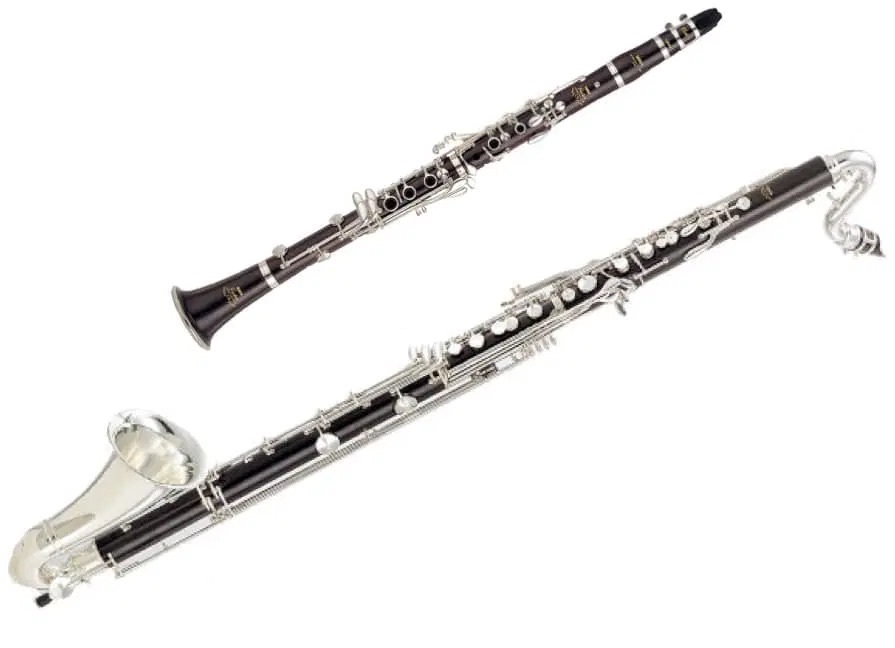
While Brahms’ musings bear a similarity to the 1977 hit song, Dust in the Wind, surprisingly, one did not inspire the other. Brahms is making reference to the only single reed instrument group popular during his lifetime, the clarinet. The clarinet is the descendant of the 17th-century French folk instrument, the chalumeau, which developed over three centuries to the 17 key single reeded instrument that we know and love (or hate?) today. It's known for its deep lyrical tone and is considered the instrument that most resembles the sound of the human voice. Some of its famous orchestral solos that embody these qualities are the second movement of Respighi’s Pines of Rome, the opening of Gershwin’s Rhapsody in Blue, and the third movement of Rachmaninoff’s Symphony No. 2.
Moving down the clarinet family, we have the bass clarinet invented by Adolf Sax in 1838—yes, the same inventor as the saxophone—when he was only 20 years old. Modern bass clarinets are more than 4 feet long with a curved neck and flared bell, 31 keys, and sound an octave lower than the standard soprano clarinet. The bass clarinet’s tone is rich and deep, sounding in a similar range to cellos and bassoons.
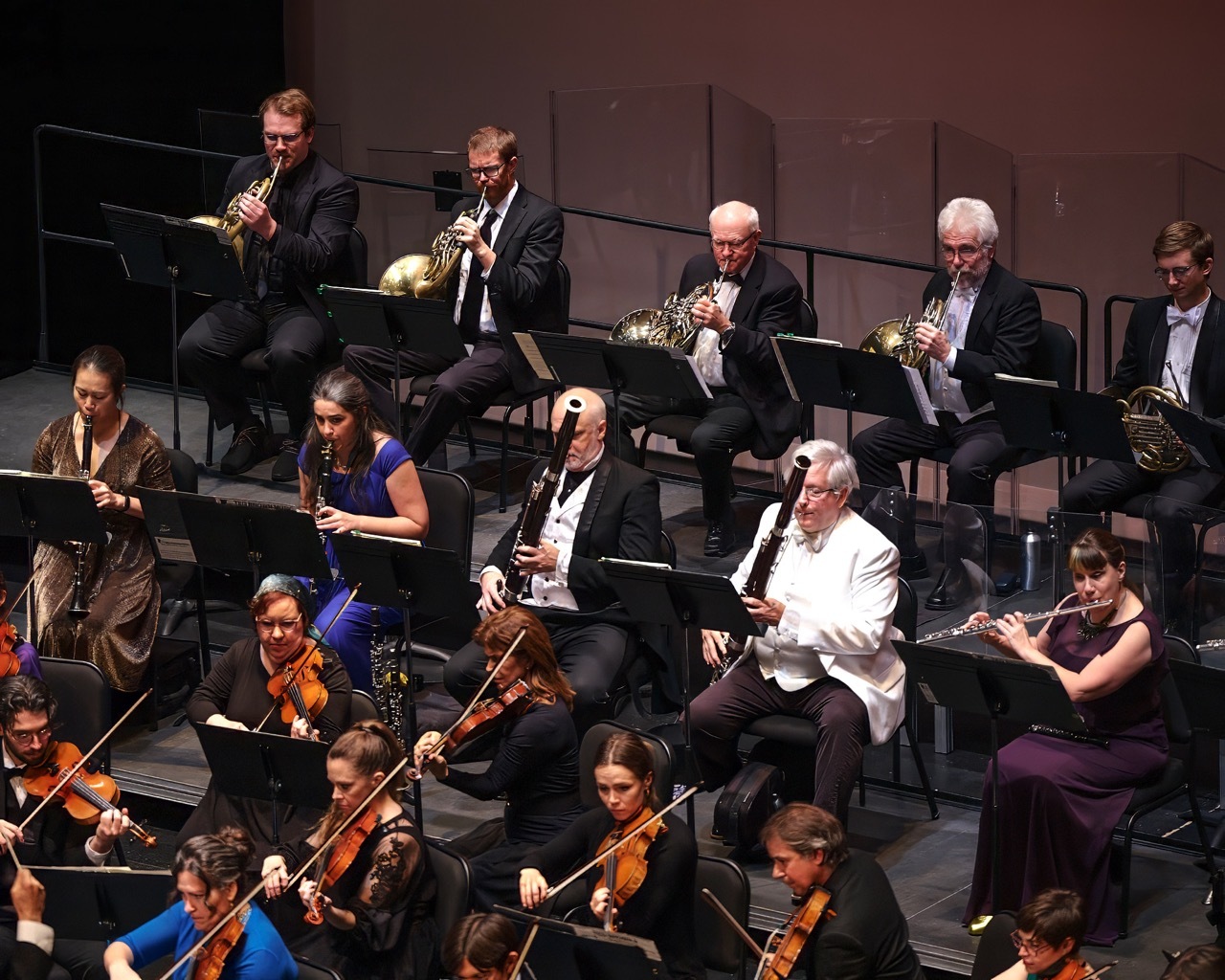
In a few weeks, the Yakima Symphony Orchestra’s own bass clarinetist Hsing-Hui Hsu will perform the famous bass clarinet solo in the dramatic work by Richard Strauss, Don Quixote. The bass clarinet is one of the instruments that depict Sancho Panzo, Don Quixote’s loyal squire—but is actually his boastfully illiterate servant—who feeds Don Quixote’s fantastical delusions. The piece's first variation depicts Don Quixote mistaking a field of windmills for monstrous giants. Perhaps the bass clarinet’s role in this story truly is a reed in the wind.
Join us on Saturday, March 14 at 7:30pm at the Capitol Theatre for the Yakima Symphony Orchestra’s performance of Don Quixote featuring cellist Mark Kosower, violist Brian Hilyard, and our “trustworthy squire,” bass clarinetist Hsing-Hui Hsu.
—Sam McClung, Executive Director