"Immortal Beloved" for Yakima Herald Explore

“I can only live, either altogether with you or not at all.”
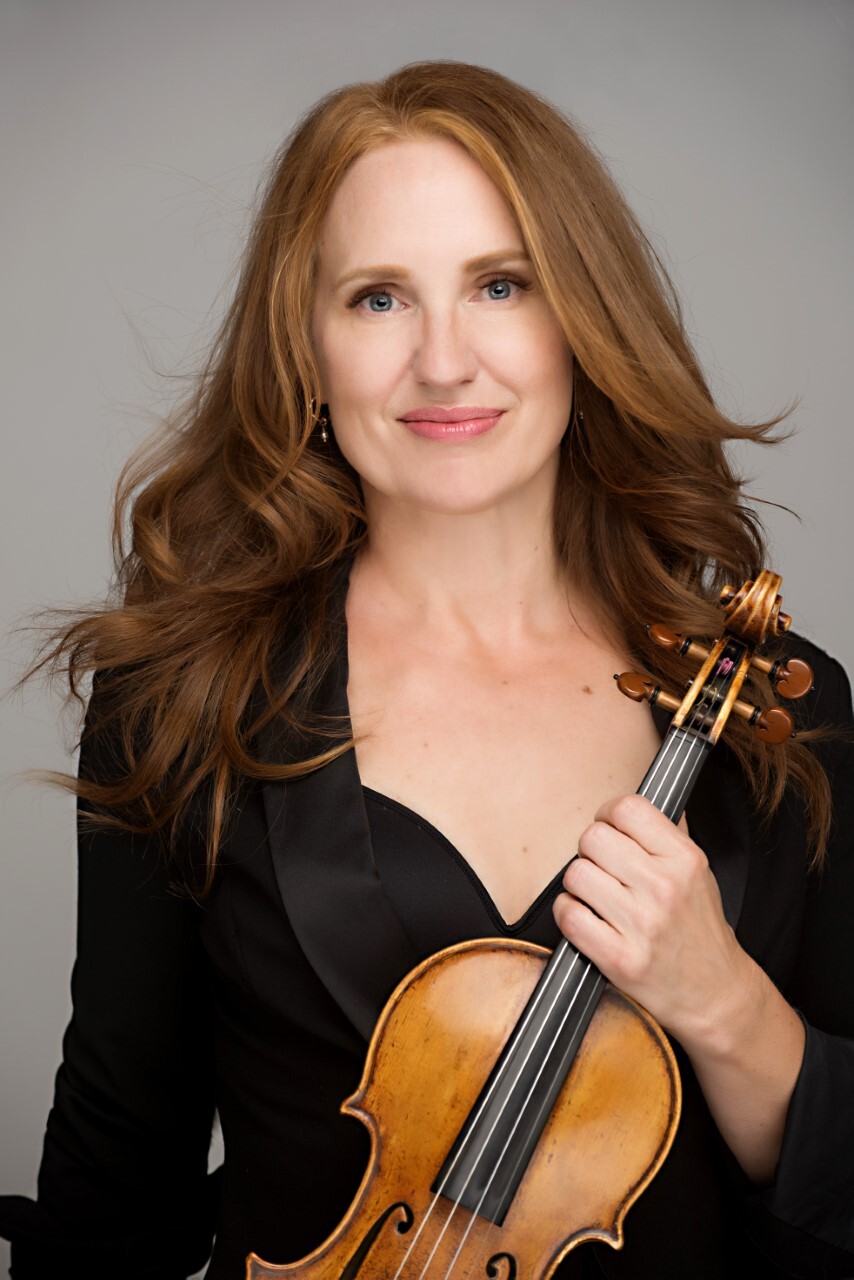
Beethoven wrote these words to a woman he addressed only as his “Immortal Beloved” in the summer of 1812. A copy of the letter was found among his things after his death in 1827. It is filled with his passionate yearning to be with her, and his struggle with the obstacles keeping them apart. It veers from exuberant joy to desperation, as he pledges her his faithfulness and reaches towards the day when they can be united. On Saturday, February 21 at 7:30 PM at the Capitol Theatre, I will perform Nancy Ives’ stunning Immortal Beloved with the Yakima Symphony Orchestra, at the Carmen Meets Beethoven concert.
We know that Beethoven never married, and never had much romantic success in general. So this letter remains a mystery: who was his great love? Did she ever receive a copy of the letter? And what were the circumstances that kept them apart?
But the biggest mystery, of course, is her identity.
For two centuries, historians have combed through Beethoven’s life to find the women he was linked to in some way. When my friend Nancy Ives and I were talking about her composing a violin concerto, the idea of focusing it around these women captivated me. Each of these characters has her own story, and the issues they faced in the early 1800s remain relevant in our world now. Custody battles, pressure to marry for wealth or power, domestic violence, and political intrigues are threaded through the lives of these women, who were living in the wake of revolution in Europe and America. In the midst of global instability, they raised children, wrote books, played the piano and tried to fulfill the roles their society rigidly assigned to them.
I love getting to spend time with these women when I play Ives’ piece. The music has a secret code in it, because Ives assigns musical pitches to the letters of their names. Then it gives us a glimpse of each character’s personality, her place in history and her connection to Beethoven. He dedicated several pieces to the women he was trying to court or impress, and we hear echoes of familiar melodies stream through the concerto, reminding us of how they would have been surrounded by his music in society at the time.
In the last movement of the concerto, Ives wrote a cadenza, which is a moment for the soloist to play without the orchestra, to show some special emotional depth and virtuosity. I mentioned how deeply Beethoven’s opera Fidelio moved me, and she used this as the seed for the cadenza. In the opera, Leonore goes undercover as a male prison guard in order to find and rescue her husband, who has been wrongly detained and tortured. Usually in operas of that time, women were damsels in distress, but Beethoven assigns the hero role to a woman, which was groundbreaking. The song she sings as she is searching the prison is a call to hope: “Come, hope, let not the last bright star be obscured by my anguish! Light up my goal, however far – through love I shall still reach it. I follow my inner calling, waver I shall not, strength I derive from faithfulness and love.”
Those words sound so much like the words he wrote to his Immortal Beloved, telling her (and reminding himself) to keep hoping. And they are relevant for us now. May love be the star that lights up the dark when things look bleak. Waver not. Strive toward the goal, and through love, we can reach it.
Tickets at YSOmusic.org. For more information, call 509.248.1414.
—Denise Dillenbeck